
🎨 Notes on the “Curious Kosiv” Set
Origins of the Imagery
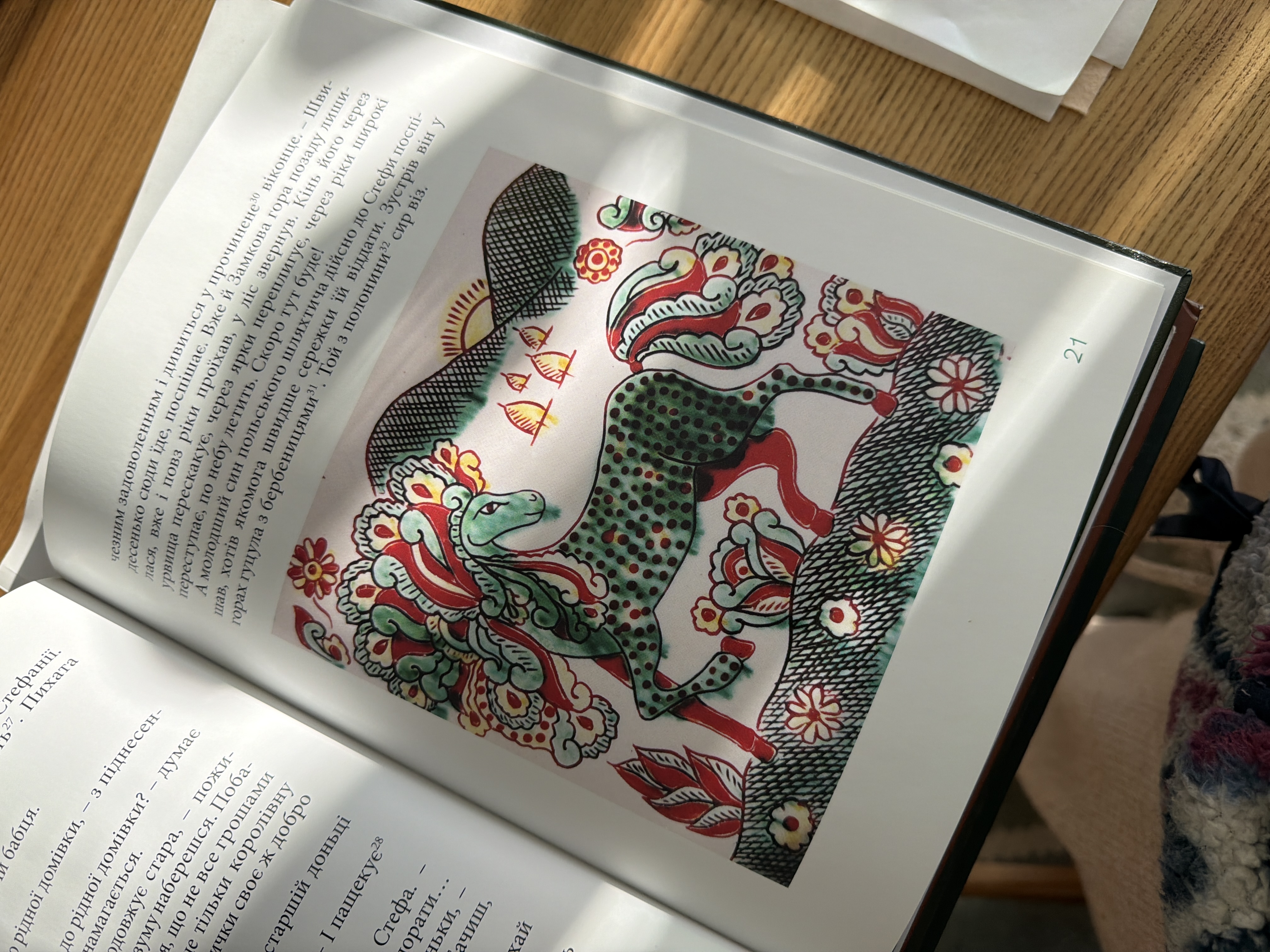
Most of the motifs in this set come from 19th-century Kosiv ceramics — a unique tradition from the Hutsul region, where everyday life, mythology, and imagination were woven into a single visual world.
Kosiv мастers were never afraid of the strange.
They transferred onto clay:
- fears
- beliefs
- visions of the world
These images lived alongside ornaments, flowers, and crosses —
because the world has never been simple or uniform.
🏺 Why We Credit the Artists
Kosiv ceramics are not anonymous decoration.
They are the language of real people — their time, their взгляд, their understanding of the world.
By recreating these images today,
we continue a line started by artisans more than a hundred years ago.
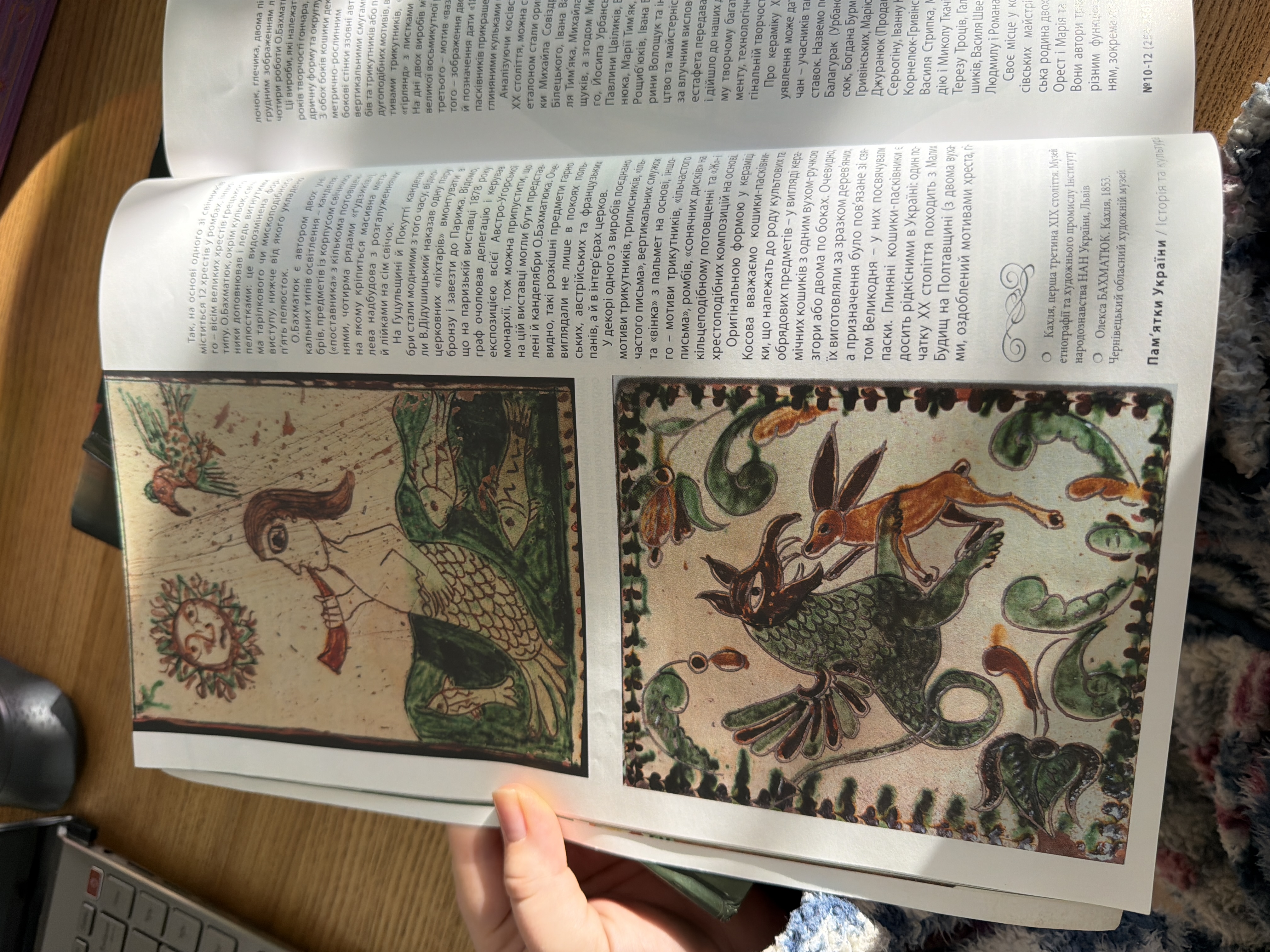
🧜♀️ Rusalka
Artist: Petro Havryshchiv, 19th century
In the Kosiv tradition, the rusalka is not a fairy-tale figure, but a liminal being.
She embodies water, feminine power, and an alluring danger.
She was depicted as a reminder: nature has its own will — one that must be respected.
🐦 Sirin
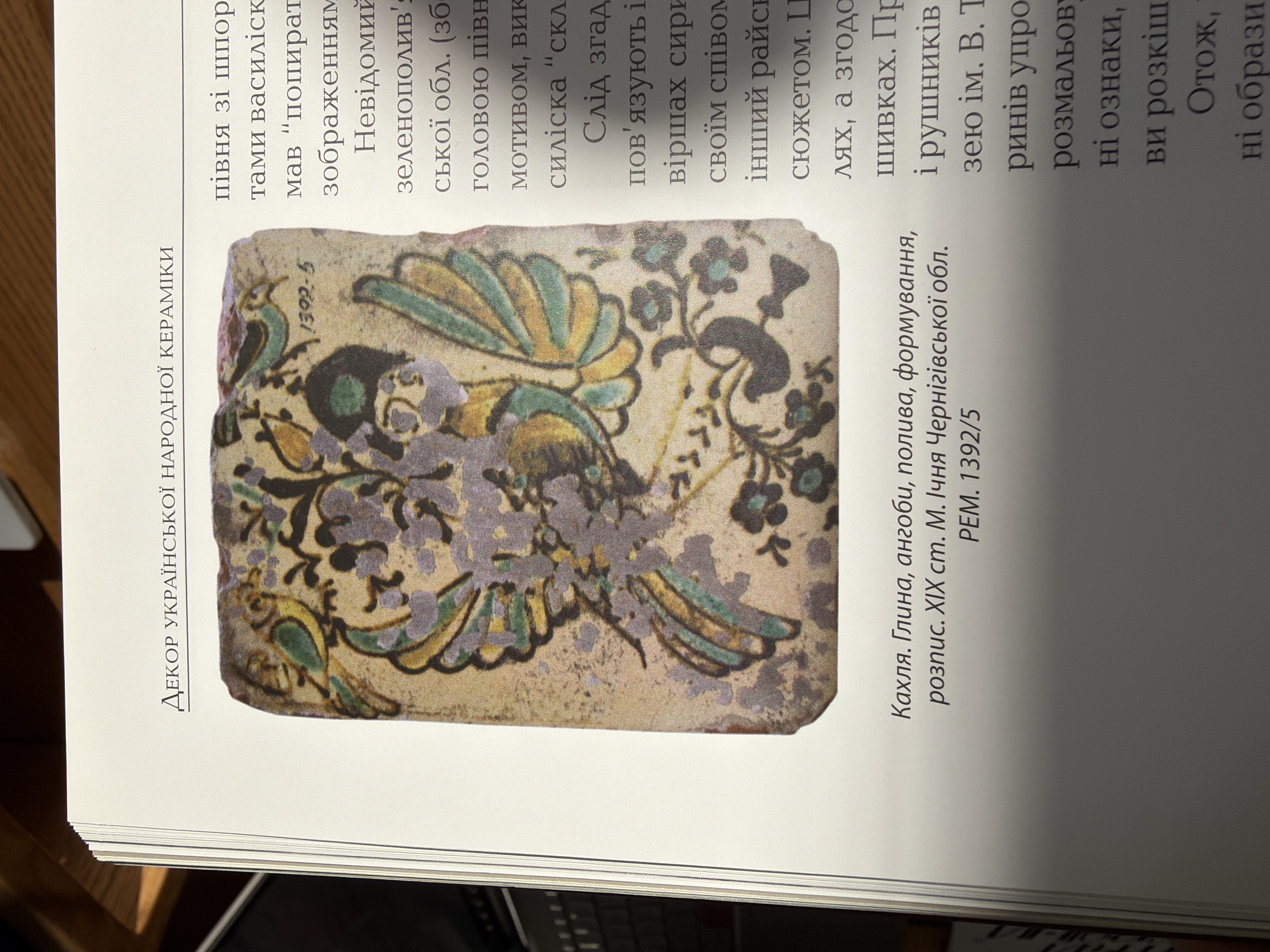
Kosiv tradition, 19th century
Sirin is a mythological bird with human features,
a mediator between the earthly and the celestial.
It represents mystery, transition, and the voice of the unseen world —
one that exists alongside us.
🐲 Predator and Hare
Artist: Oleksa Bakhmatiuk (1853–1907)
A hunting scene without moralizing or embellishment.
The fantastical beast represents power, the hare — vulnerability.
This is not a fairy tale, but a vision of the world as constant movement and struggle.
🐉 Solitary Fantastical Beast
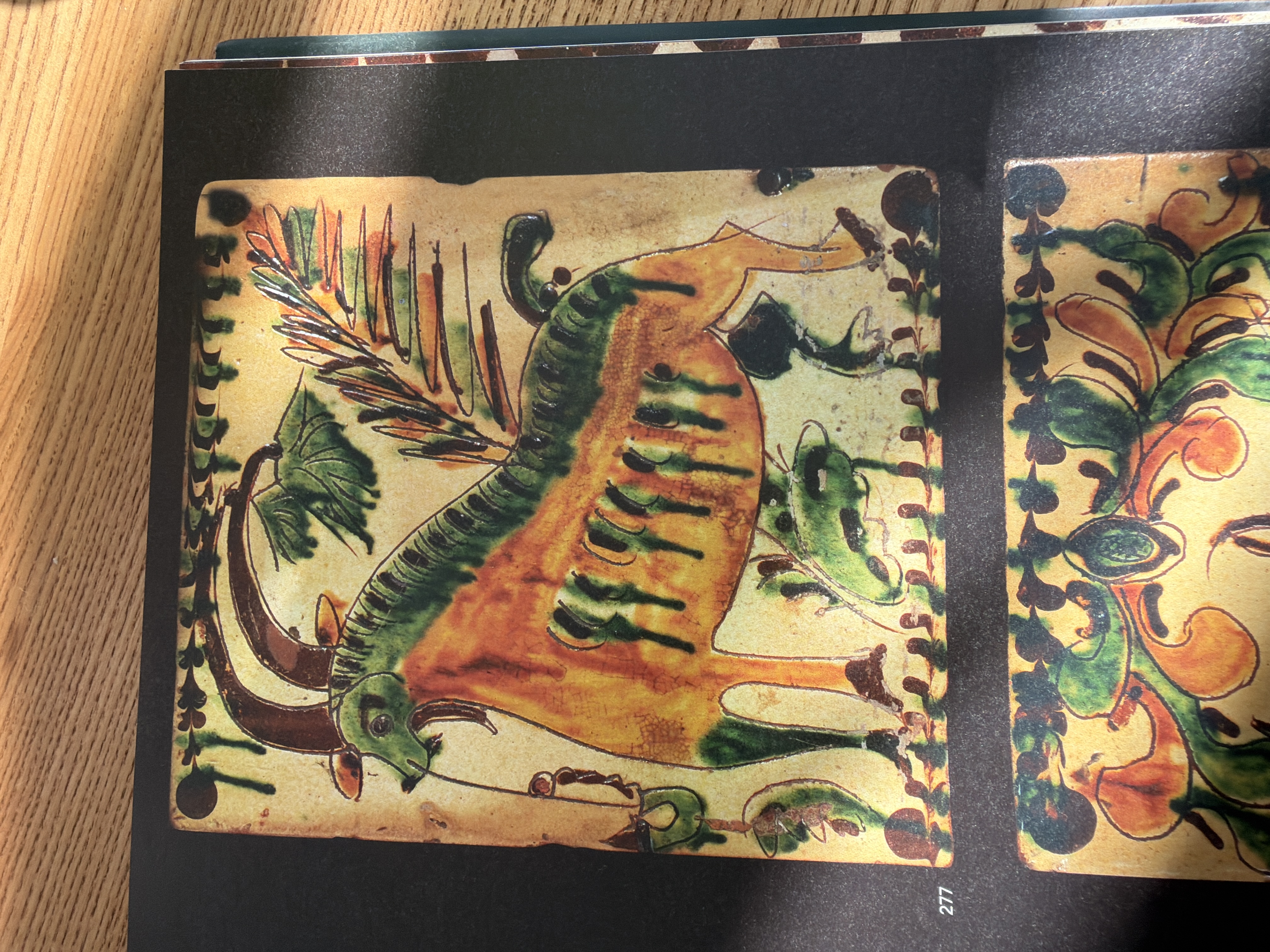
Artist: Dmytro Zondiuk, 19th century
A self-contained creature without narrative or explanation.
It exists simply because the world is broader than logic.
This image acknowledges the power of the wild and the unknown.
🐐 Paired Beasts with a Flower
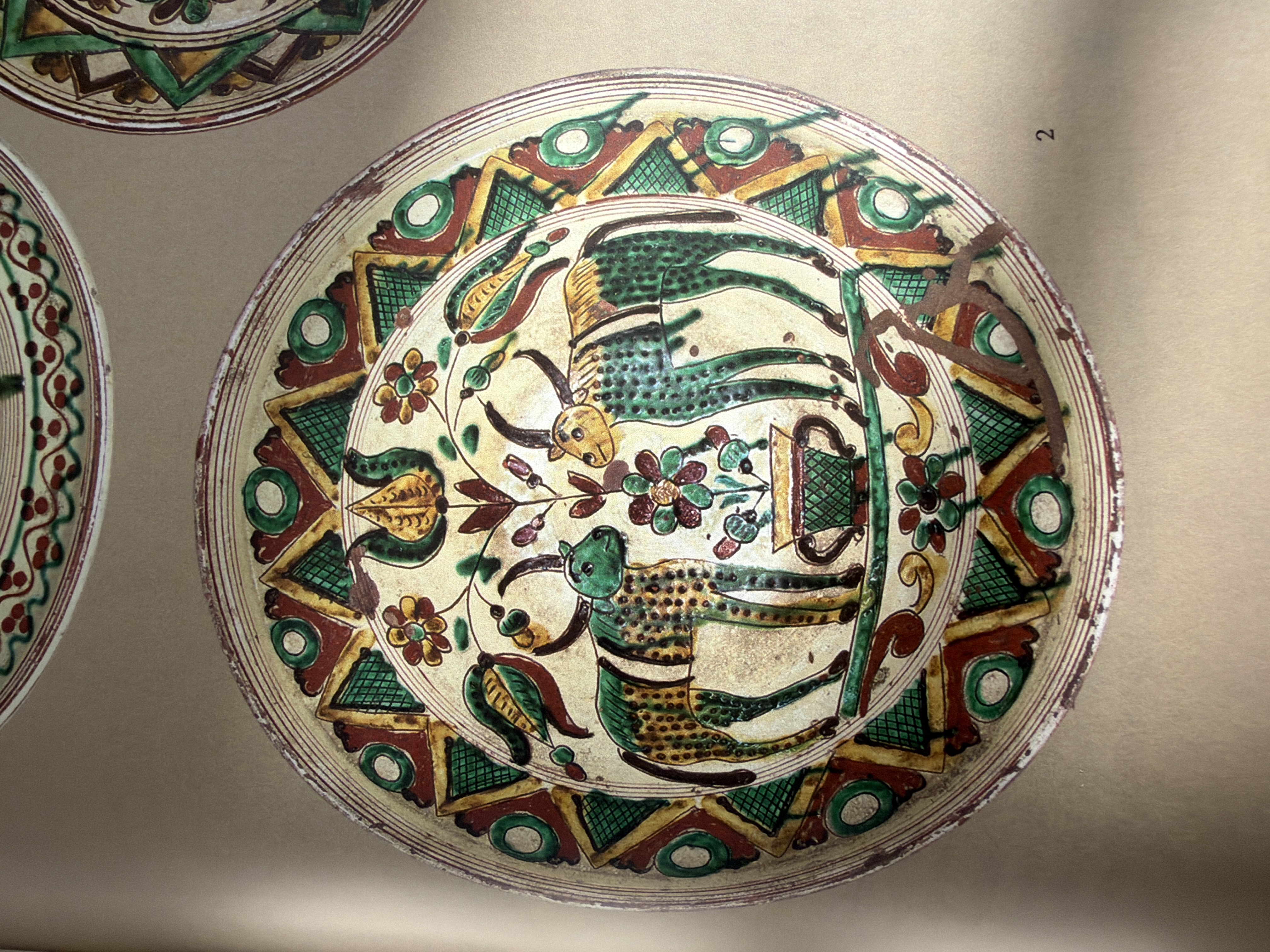
Artist: Ivan Baraniuk, 1840s–1850s
Two animals placed symmetrically guard the center of the composition.
Between them — a plant symbolizing life.
This is an image of balance, order, and harmony between opposites.
We hope this set helped you discover Kosiv ceramics more closely —
to see in them not only the beauty of form, but a living tradition worth preserving and continuing. ✨